Know what you eat.
Empowering Ghanaians with clear, visible and easy-to-understand food warning labels to make healthier choices and reduce the risk of diet-related non-communicable diseases.
Duration
May 2024 - April 2026 (24 Months)
Focus Area
Food Policy, NCD Prevention & Consumer Protection
Campaign Type
Policy Advocacy & Mass Media Campaign
Policy Ask
Enact a policy for mandatory front-of-pack warning libeling in Ghana
OVERVIEW
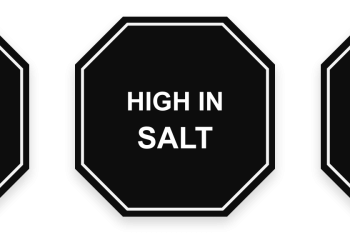
The Front-of-Package Warning Labelling (FOPWL) campaign supports national advocacy for Ghana to adopt a mandatory food warning labelling policy. The project seeks to help consumers easily identify packaged foods high in sugar, salt, and unhealthy fats, so they can make healthier food choices and reduce their risk of diet-related non-communicable diseases.
This public health advocacy campaign brings together civil society organisations, nutrition experts, academia, media actors, community groups, and policy stakeholders. It promotes clear, visible, and easy-to-understand warning labels on the front of packaged food products.
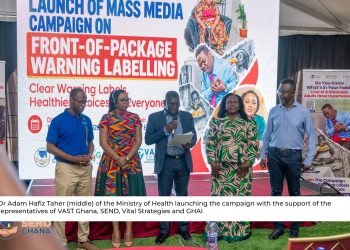
The campaign focuses on stakeholder collaboration, public education, media engagement, and policy advocacy. Activities include coalition building, capacity-building sessions, community engagements, radio and television discussions, press activities, digital campaigns, and youth-focused outreach. These efforts aim to build public and decision-maker support for mandatory FOPWL in Ghana.
01 - SEE THE LABELS
Simple labels. Faster choices.
Warning labels go where people see them first: on the front. They show when packaged food is high in sugar, salt or unhealthy fat.
1.
lOOK AT
THE FRONT
2.
Spot the warning
3.
Choose with confidence
02 - WHY IT MATTERS
The real cost of unclear food labels
Overconsumption of ultra-processed foods (UPFs) high in sugar, salt and unhealthy fats increases the risk of developing obesity, hypertension, diabetes, kidney disease and other diet-related noncommunicable diseases (NCDs).
NCDs account for up to 45% of deaths in Ghana.
In 2026, the government of Ghana allocated GHC 29b to support specialist-level treatment for chronic illnesses including chronic kidney failure, stroke, and other cardiovascular diseases.

7%
Adults with
diabetes

1 in 4
Adults with
hypertension

1 in 2
Ghanaian women
overweight/obese
Source: Ministry of Health, 2026
Questions
worth
asking.
What is front-of-package warning labelling?
Why should labels be mandatory?
How will Ghana decide which foods need a warning?
Implementing Partners
Poor diets and misleading food packaging are fuelling a rise in obesity, diabetes, hypertension and other non-communicable diseases in Ghana. This project advocates for clear, easy-to understand warning labels on packaged foods high in sugar, salt, and unhealthy fats-so every Ghanaian can make informed, healthier choices.
Support healthier choices
Add your voice to the call for mandatory front-of-package warning labels in ghana