SEND GHANA

FRONT-OF-PACKAGE WARNING LABELLING CAMPAIGN

Know what
you eat.

Join thousands of Ghanaians in campaigning for warning labels on foods that have excess sugar, salt and saturated fat. This will help us to make healthier food choices and reduce our risk of developing diabetes, hypertension and other diet-related non-communicable diseases.

Join thousands of Ghanaians in campaigning for warning labels on foods that have excess sugar, salt and saturated fat. 

01 - WHY IT MATTERS

GHANA IS FACING A MAJOR PUBLIC HEALTH CRISIS

Overconsumption of foods high in sugar, salt, and saturated fats is contributing to the rising incidence of diet-related non-communicable diseases.

These include diabetes, hypertension, cancer and kidney diseases. NCDs account for up to 45% of deaths in Ghana (WHO, 2024), placing a huge burden on families and the state

In 2026, the government allocated GHC 2.3 billion for the Ghana Care Trust to support Ghanaians battling NCDs.

02 - SEE THE NUMBERS

THESE NUMBERS DEMAND ACTION

2.4 million

People have diabetes
1 in 4

Adults have hypertension

1 in 2

Ghanaian women are overweight or obese

Sources: GDHS (2022); Bosu, W. K., & Bosu, D. K. (2021); WHO (2023)

03 - THE SOLUTION

Clear
warning labels. Healthier choices.

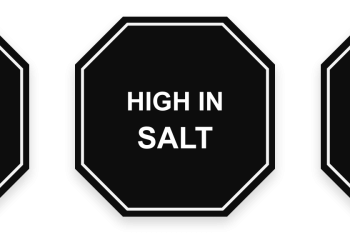
Ghanaians need simple, visible, and easy-to-understand labels that warn them instantly when a product is unhealthy.

A mandatory Front-of-Package Warning Labelling policy will require packaged foods with excess sugar, salt and/or saturated fat to carry prominent warnings on the front of the product.

04 - WHAT DIFFERENCE WILL IT MAKE?

EVIDENCE SHOWS WARNING LABELS WORK

Consumers can quickly identify and avoid or moderate unhealthy food products, reducing their risk of diabetes, hypertension, stroke, kidney conditions and other diet-related NCDs.

24%

Chile

FOPWL contributed to a 24% drop in sugary drink purchases and a significant reduction in calories, sugar, sodium and saturated fat.

70%

Israel

Seven in ten consumers reported using warning labels to make healthier choices.

05 - OUR ASK TO GOVERNMENT

FAST-TRACK MANDATORY WARNING LABELS

The Ministry of Health should fast-track the formulation of the mandatory Front-of-Package warning labelling policy, guided by an evidence-based Nutrient Profiling Model (NPM), to empower every Ghanaian to make healthier choices and safeguard public health.

06 - YOUR QUESTIONS ANSWERED

KNOW THE FACTS.

Got questions about what we’re doing and why? Here are common questions and answers about FoPWL

A simple warning symbol on the front of packaged foods that shows consumers when a product contains excess amounts of sugar, salt and unhealthy fats.

Many packaged foods have excess amounts of sugar, salt, and unhealthy fats. Without knowing, we consume too much of these foods, raising risks of obesity, hypertension, diabetes, and kidney disease. Currently, 1 out of 4 adults in Ghana has hypertension, and half of Ghanaian women are overweight or obese.

Food warning labels will enable consumers to easily identify foods products that contain excess amounts of sugar, salt, and unhealthy fats at a glance, empowering them to make healthy choices.

The Nutrient Profiling Model (NPM) is a tool used to identify foods or beverages that have excessive amounts of nutrients of concern like sugar, salt, saturated fats or other ingredients of concern like non-sugar sweeteners.

This will be based on a Nutrient Profiling Model (NPM) that sets recommended levels for sugar, salt, and fats. Products exceeding these recommended levels must carry a warning label.

No. Only packaged foods that have excess sugar, salt and unhealthy fats will have warning labels.

Join the campaign

Share your thoughts with us using the hashtag

#knowWhatYouEat

Implementing Partners